
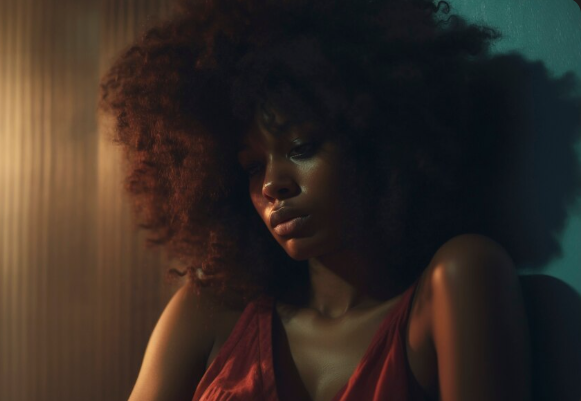
There’s a good reason why we talk a lot about Black women’s strength. A survival skill, a family tradition, and an undeniable fact woven into history. How about when being a “Strong Black Woman” badge is less of a source of pride and more of a “heavy suit of armor”?
Lately, we’ve been seeing a significant shift. More and more Black women are letting down their guard and embracing something that has been wrongly seen as a weakness: being open and vulnerable. They’re not just getting by; they’ve chosen to share the raw, honest journey of their lives through art, writing, and open conversations. People aren’t just following a trend; they’re taking back their power to heal, build community, and take back their own lives.
Before we can understand the power of choosing weakness, we need to understand the huge burden of having to be resilient.
The Weight of the “Strong Black Woman” Trope
The “Strong Black Woman” (SBW) trope, as many experts and regular women call it. This expects women to be perfect: they should be able to overcome all problems, take care of everyone, and never show any signs of weakness. Slave fields took away Black women’s right to feel their own feelings. Also, today’s workplaces put them under constant pressure to perform while dealing with racism and sexism (often called “misogynoir”).
- The Problem of Suppression: When strength is the only acceptable emotion, all other emotions, grief, fear, anxiety, or burnout, are forced into hiding. It doesn’t make the feelings go away to carry this weight around in shame and secrecy. It only causes them to show up somewhere else, most of the time as health problems like high blood pressure, anxiety, or depression.
- The Barrier to Healing: Being the rock all the time means you can’t be the one who needs help. It’s hard to get mental health help or even just tell your friends and family that you need a break because of this social expectation.
Reclaiming the Narrative
People who were not Black women told her story for hundreds of years, often by people who had never been a Black woman. These outside stories were mostly about her pain or, on the other hand, her superhuman resilience. So, they often didn’t talk about how complicated her inner life was.
As a group, black women are restoring agency. Instead of wounds, they are making a space where words can heal and where their presence is centered and validated. Women can be strong and tired, resilient and sad, eager and unsure. It’s up to them to decide who they are. They need to break down the stereotypes that have been holding them back for generations.
Building a Communal Womb for Healing
Just picture what will happen when one woman finally says, I’m not okay. Most of the time, other women of color will say, “Me neither” or “I know that feeling.”
Allowing yourself to be vulnerable is where a real relationship begins. Everyone in the room (or reading the book) can take off their armor for a moment when someone else does. In this situation, literature turns into a “communal space” where people can come together instead of being alone.
Shifting Wellness to “Well-Being”
For Black women, being healthy means more than just not being sick; it also means having access to care, society, and choices. Storytelling helps with this change.
When you read a poet’s honest thoughts on worry or a memoirist’s battle with burnout, it gives you a spiritual and cultural diagnosis that mainstream medicine doesn’t always give you. It says that real healing takes place not only in the body but also in society, through ritual, and through story.
Sharing a sensitive journey is a form of resistance in and of itself. It goes against the cultural expectation that they should always be high-achieving and selfless. Putting money into yourself will pay off in huge ways for everyone else.
How Vulnerability Fosters Authentic Connection
Vulnerability is often defined as uncertainty, risk, and emotional exposure. To be in that place requires a lot of guts, especially for people who know that mistakes or perceived weaknesses will lead to harsher criticism and fewer chances to make things right.
But Black women who are willing to take this risk are learning that their vulnerability is their power:
- It Humanizes Leaders: We are seeing more Black women in positions of leadership choosing to be transparent about their doubts or mistakes. In no way do these things make them less capable. Instead, it makes them more likable, builds trust with their teams, and shows them how to be a more real and long-lasting boss.
- It Forges Intimacy: When you’re with someone, the fastest way to true intimacy is to tell them a painful truth or a secret fear. So, it takes talks beyond the surface level and builds a strong bond based on honesty and understanding.
- It Inspires Others to Grow: Stories that show the journey from trouble to answer are the most powerful. When a Black woman talks about how she alchemizes pain into beauty. It doesn’t just show how she dealt with trauma; it also helps someone else who is going through the same thing.
The shift toward openness is a brave generational choice that is changing what it means to be a Black woman.
The Next Step on Your Own Journey
It’s time to find the people leading this movement if you’ve ever felt the weight of that armor or if you just want to connect with others who have been through strength, struggle, and beautiful self-discovery.
The choice to share one’s private life is an offer and a chance for both the writer and the reader to deeply accept themselves and heal together. You can enjoy the journey more when you know you don’t have to carry everything by yourself.
“Through My Eyes, I See My World: A Collection to Inspire Women of Color” by Catrina Boyer is a book you should read. This collection is an emotional tribute to the unwavering strength of Black women. It turns the private act of being vulnerable into a public celebration of love, strength, and resilience.